Commuter tech has a dirty secret: most of it is tested in a lab and then shipped out to meet a world that has never heard of a controlled environment. A phone case that survives a two-foot drop onto industrial carpet might fold like wet cardboard when it hits the edge of a subway stair. A laptop sleeve that looks plush and protective offers nothing but a false sense of security when it brushes against a turnstile at hip height. The active commuter, the person who actually hauls gear through train cars, bike lanes, and crowded sidewalks, needs a different standard. The cases in this roundup are chosen for that reality, not for a spec sheet.
The criteria are simple. Each case must survive a drop onto unforgiving surfaces, not just a test bench. Each must add minimal bulk to the everyday carry. Each must handle the specific abuse patterns of a commute: the repeated jostle of a shoulder bag, the slide across a bus floor, the accidental contact with concrete when a person fumbles for keys. Six cases make the cut, each with a different philosophy about what protection actually means.
The Urban Armor Gear Monarch: Built Like a Vehicle Component
The Monarch series from Urban Armor Gear approaches phone protection the way a car manufacturer approaches a bumper. It layers materials in a specific order, each one addressing a different type of impact. A hard polycarbonate shell handles the initial strike. A softer TPU layer absorbs the secondary shock. The corners, the part of any case that hits the ground first in a typical drop, get extra reinforcement that looks almost like a structural rib.
This case feels chunky in the hand. There is no pretending otherwise. But for the commuter who regularly navigates crowded platforms where a single nudge can send a phone flying, the trade-off makes sense. The raised lip around the screen and camera is aggressive, deep enough that placing the phone face-down on a dirty table does not risk glass contact. The button covers are tactile, which matters more than most people realize when wearing gloves in cold weather.
The real test, the one that separates this case from cheaper options, is the corner drop onto a curb edge. The Monarch survives impacts that leave visible gouges in lesser cases. The exterior shows scuffs, yes, but the phone inside comes out untouched. For the commuter who values function over aesthetics, who treats a phone as a tool rather than jewelry, this is the benchmark.
The Pelican Shield: When the Workday Gets Rough
Pelican built its reputation on protective cases for tools and equipment that get thrown into truck beds. The Shield series translates that ethos to smartphones with a slightly different approach: instead of just absorbing impact, it deflects it. The exterior is slick, almost slippery to the touch, which means a phone sliding off a lap lands at an angle rather than flat, spreading the impact across more surface area.
What sets the Shield apart is the integrated screen protector. Not a separate film applied by the user, but a built-in layer that sits flush with the case. This eliminates the classic commuter problem of applying a glass protector on a moving train and ending up with bubbles and misalignment. The screen stays protected without adding a visible seam.
The Shield is not the prettiest case on the market. The materials look utilitarian, with visible molding lines and a matte finish that does not photograph well. But it handles the specific abuse of a commute that involves manual work, warehouse access, or construction site visits. The case wipes clean easily, resists oil and grime, and does not degrade when exposed to the kind of dirt that would permanently stain a leather option.
It also passes the pocket test. Despite the protective build, the case slides in and out of a tight jeans pocket without catching on fabric. This is a detail that only matters to people who have struggled with rubberized cases that grip cloth and produce that annoying resistance when reaching for a phone.
The Peak Design Everyday Case: Minimalism With a Mounting Secret
Peak Design entered the phone case market from the photography world, and it shows. The Everyday Case uses a material called Canvas, a woven fabric that feels like a premium textile rather than plastic. The aesthetic is clean, almost minimalist, which appeals to commuters who dress professionally and do not want a bulky tactical block visible in a suit pocket.
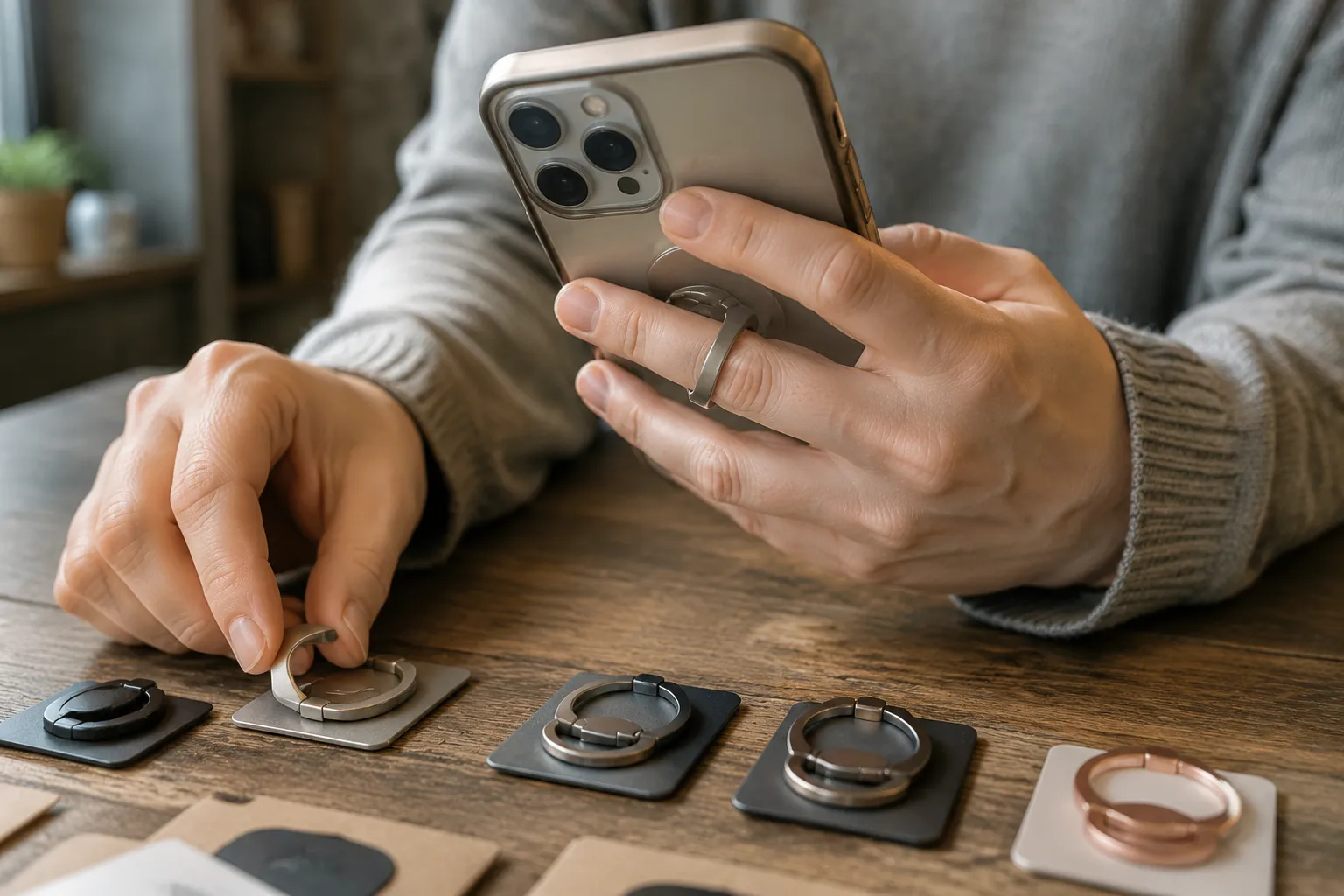
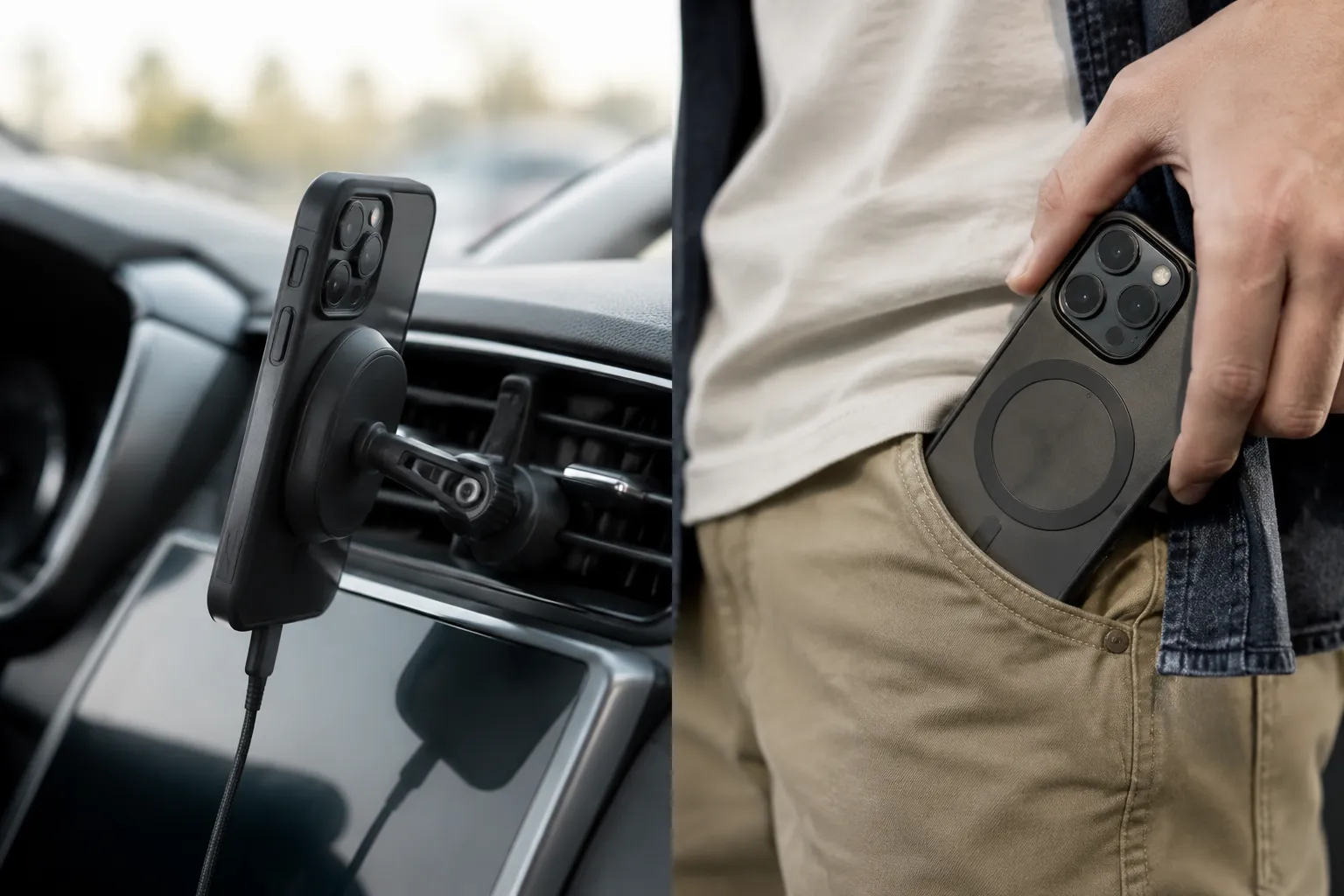
The hidden feature is the SlimLink mounting system. A small magnet and mechanical lock built into the back of the case connects securely to a range of mounts, from bike handlebars to car dashboards. For the cyclist commuter, this transforms the phone from a pocket item into a navigation tool without needing a separate adapter or a bulky external mount case.
Drop protection is adequate rather than extraordinary. The case handles a standard fall from hand height onto flat ground without issue. Corners are reinforced with a flexible material that absorbs shock. The raised edges around the screen provide a small buffer, though not as deep as the more aggressive cases in this list. The trade-off is a slim profile that fits comfortably in a shirt pocket or a small crossbody bag.
The genuine vulnerability is the fabric exterior. It grips surfaces well, preventing the phone from sliding off a tilted table, but it also picks up dirt and stains over time. The light-colored options show wear quickly. The dark options hide it better. For a commuter who prioritizes appearance, the dark Canvas is the practical choice.
The OtterBox Defender: The Old Standard, Reconsidered
OtterBox built the Defender on a simple premise: wrap the phone in enough material that the impact never reaches it. The design has not changed fundamentally in years, a thick inner shell, a rubberized outer layer, and a belt clip that doubles as a stand. It is bulky, undeniably so, but it remains the case that people recommend when someone has shattered a screen on a routine commute.
The Defender includes port covers, small flaps that keep dust and moisture out of the charging and headphone jacks. This matters for commuters who spend time outdoors in variable weather. A dusty bike path or a rainy sidewalk can send particles and water toward open ports. The covers keep the internals clean, though they add a minor inconvenience when plugging in cables.
The belt clip is a polarizing feature. Some commuters find it indispensable, particularly those who move between sites or work in environments where a phone in a pocket is impractical. Others remove the clip immediately and never use it again. The clip itself is sturdy, with a rotating hinge that holds the phone at multiple angles. It also functions as a hands-free stand for video calls or navigation, which adds unexpected utility.
The Defender is not the case for someone who wants to feel the phone in the hand. The added bulk changes the ergonomics significantly. But for the commuter who has already broken one phone and simply cannot afford another repair bill, the Defender is the insurance policy that works.
The Spigen Tough Armor: The Budget Option That Earns Its Place
Spigen produces a bewildering array of cases, but the Tough Armor stands out as the value pick that does not feel cheap. It combines a flexible TPU core with a hard polycarbonate back panel, a dual-layer design that absorbs impact while resisting scratches and scuffs. The price point, typically less than half of the premium options, makes it an accessible entry into serious protection.
The kickstand is the defining feature. A small metal hinge on the back panel folds out to prop the phone at a viewing angle. This is a commuter feature that gets used more than expected: watching a video during a lunch break, following a recipe while cooking after work, or propping the phone on a train table for hands-free navigation. The stand is recessed, so it does not catch on pockets or snag on bag linings.
Drop protection mirrors the performance of cases twice the price. The corners have air-cushion technology, pockets of flexible material that compress on impact. The raised edges protect both the screen and camera lens. The buttons remain clicky, a detail that budget cases often get wrong, with mushy response that makes typing frustrating.
The Tough Armor lacks the premium materials of the Peak Design or the structural engineering of the Urban Armor Gear. It scratches more easily and shows wear faster. But for the commuter who replaces phones every two years and cannot justify a case that costs a quarter of the device price, this is the rational choice.
The Mujjo Leather Case: Protection With a Professional Finish
Mujjo takes a different approach entirely. Instead of layering polymers and impact-absorbing foams, it wraps the phone in vegetable-tanned leather that develops a patina over time. The protection is modest, a basic bumper structure with a slightly raised lip, but the aesthetic is unmatched for the commuter who walks into client meetings and cannot carry a phone that looks like a toy.
The leather is the selling point. It starts firm and smooth, then gradually softens and darkens with daily handling. Each case develops its own character based on how the owner grips the phone, where the case rubs against pockets, and how much moisture it encounters. This is a product that gets better with age, unlike plastic cases that yellow and degrade.
The metal buttons are a subtle luxury touch. Precision-machined aluminum pieces that click with authority, they provide better tactile feedback than the molded plastic on most cases. The camera bump is protected by a thin metal ring that prevents scratches when the phone rests on hard surfaces.
Drop protection is the weakest of the six options. The leather exterior provides minimal shock absorption, and the structure is relatively thin. A serious impact from chest height onto concrete risks damage. The intended use case is different: this is for the commuter who handles the phone carefully, stores it in a dedicated pocket, and wants protection from the daily wear of slides and bumps rather than catastrophic falls.
The Mujjo also offers a useful feature for transit commuters: a small card slot on the interior back that holds a single transit card or ID. This eliminates the need to pull out a wallet at the turnstile or fare gate. The card fits snugly and does not interfere with wireless charging.
Matching the Case to the Commute
The right case depends entirely on the texture of the daily journey. A person who cycles through city traffic, racks the bike, and rushes into an office needs the mounting integration of the Peak Design or the all-weather resilience of the OtterBox Defender. A person who rides the subway for forty minutes, stands through crowded cars, and walks several blocks needs the corner protection of the Urban Armor Gear Monarch or the Pelican Shield.
Budget changes the calculus. The Spigen Tough Armor delivers 80 percent of the protection at 30 percent of the price, a trade-off that makes sense for many commuters. The Mujjo costs more and protects less, but it serves a different purpose: maintaining a professional appearance while still offering a baseline of security.
The common thread is that none of these cases are perfect. Each one makes a sacrifice. The protective monsters add bulk. The slim options compromise on drop safety. The fabric cases stain. The leather cases need care. The commuter who understands these trade-offs and chooses accordingly gets a case that actually serves the daily routine rather than just existing in a drawer or collecting scratches on a desk.
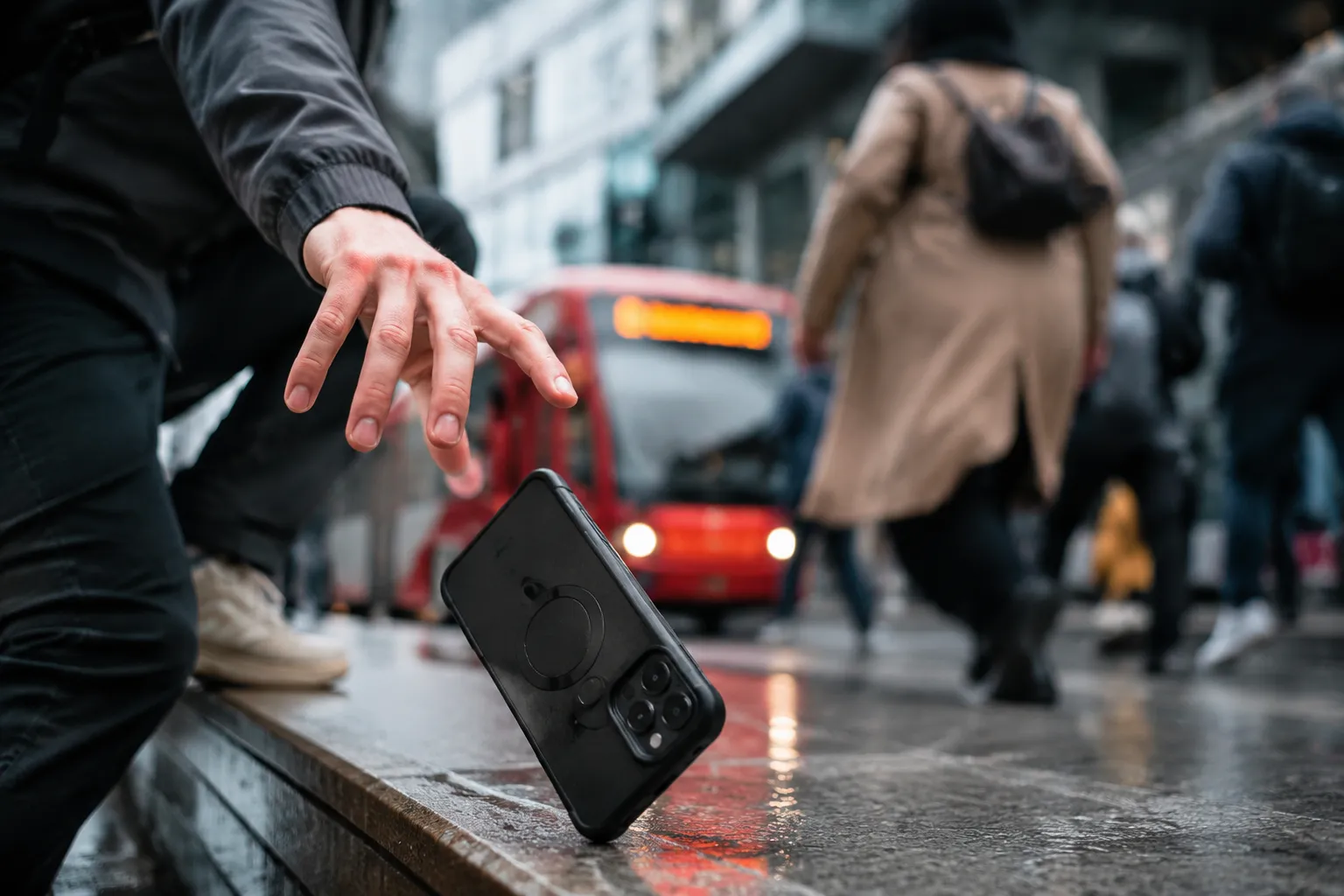
The best test is not a spec sheet or a YouTube drop video. It is the moment on a Tuesday morning, hands full with coffee and a bag, when the phone slips and hits the platform edge. The case either does its job or it does not. That single moment determines whether the investment was worth it, and it is the moment that separates a real commuter case from the rest of the market.